ARAVALI HILLS SUPREME COURT JUDGEMENT

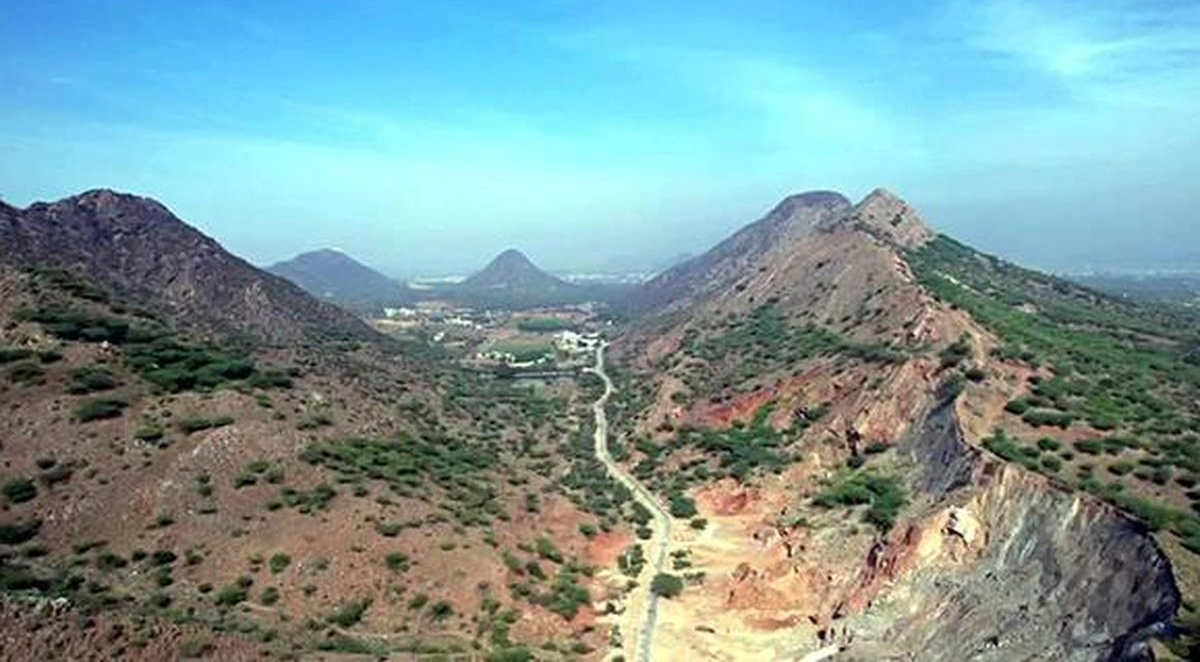
The Aravalli Hills are among the oldest mountain ranges in the world, stretching across Delhi, Haryana, Rajasthan, and Gujarat. Over the years, unchecked urbanisation and illegal mining have pushed this fragile ecosystem to the brink of collapse.
The Supreme Court of India, through multiple landmark orders, has consistently treated the Aravalli region as a protected ecological zone, making its conservation a constitutional and environmental obligation.
Why the Aravalli Hills Matter in Indian Environmental Jurisprudence
The Aravalli range is not merely a geographical feature. In constitutional terms, it is:
- A natural barrier against desertification
- A groundwater recharge system
- A climate regulator for North India
- A buffer protecting Delhi-NCR from extreme pollution
Recognising this, the Supreme Court has repeatedly intervened to prevent its degradation.
What Are the Aravalli Hills According to the Supreme Court?
The Supreme Court has adopted a functional and ecological definition, rather than a narrow revenue-record-based definition.
Judicial Interpretation
According to the Court:
- Any land forming part of the Aravalli mountain system,
- Including forest land, hillocks, ridges, and rocky terrain,
- Irrespective of ownership or revenue classification,
will be treated as part of the Aravalli ecosystem.
📌 Key principle:
Nature cannot be reclassified on paper to permit destruction on ground.
Illegal Mining in the Aravalli Hills: Supreme Court’s Stand
Illegal mining has been the central issue in Aravalli-related litigation.
Why Mining Is Prohibited
The Supreme Court has held that mining in the Aravalli region leads to:
- Loss of forest cover
- Depletion of groundwater
- Increase in air pollution
- Irreversible ecological damage
Mining activities have been declared illegal when conducted:
- Without environmental clearance
- In forest or eco-sensitive zones
- By misclassifying land as “non-forest”
Court’s Environmental Doctrine Applied
The Court has relied on:
- Precautionary Principle
- Public Trust Doctrine
- Sustainable Development Principle
Under these doctrines, the State is only a trustee, not an owner, of natural resources.
Why Conservation of Aravalli Hills Is Constitutionally Important
1️⃣ Protection Under Article 21 (Right to Life)
Environmental degradation directly affects:
- Clean air
- Drinking water
- Public health
The Supreme Court has held that environmental protection is integral to the right to life.
2️⃣ Directive Principles of State Policy
- Article 48A obligates the State to protect forests and wildlife
- Article 51A(g) imposes a fundamental duty on citizens to protect nature
Aravalli conservation flows directly from these provisions.
3️⃣ Climate Change and Urban Survival
The Aravalli range:
- Prevents the Thar Desert from expanding eastward
- Acts as a green lung for NCR
- Reduces urban heat island effect
Its destruction would make cities like Delhi ecologically unlivable.
Status of the Aravalli Hills Case & Next Date of Hearing
As of now:
- The Supreme Court continues to monitor Aravalli-related matters
- Issues include:
- Compliance with mining bans
- Restoration of degraded land
- State accountability
🕊 Next date of hearing:
The matter is listed periodically, and the next effective hearing date will be notified by the Supreme Court registry. Courts often issue continuing mandamus in environmental cases rather than final disposal.
Why the Supreme Court Keeps the Case Alive
Environmental cases involving Aravalli Hills are treated as ongoing constitutional obligations, not one-time disputes.
The Court’s approach ensures:
- Continuous monitoring
- Prevention of policy rollback
- Long-term ecological restoration
Roadmap for Effective Aravalli Conservation
✔ Strict Enforcement of Mining Bans
✔ Restoration of Degraded Forest Land
✔ Transparent Land Classification
✔ Independent Environmental Audits
✔ Community Participation in Conservation
Legal Significance of the Aravalli Hills Judgments
The Aravalli cases have:
- Strengthened Indian environmental jurisprudence
- Limited arbitrary executive power
- Established ecology over revenue interests
- Reinforced judicial guardianship of natural resources
Conclusion: Why the Aravalli Hills Case Is a Constitutional Imperative
The Supreme Court’s consistent stand makes one principle clear:
Economic development cannot come at the cost of ecological suicide.
The Aravalli Hills are not expendable land parcels — they are natural infrastructure essential for India’s environmental survival.

Ritika sood
Related Posts

UP RO/ARO Recruitment 2023: Resolving the Legal Quagmire Over Women’s Horizontal Reservation
2 min read
Service Matters of Unaided Private Educational Institutions: Amenability to Judicial Review under Article 226 of the Constitution
8 min read
Paying Less Than the Minimum Wage Is Tantamount to Bonded Labour: Supreme Court
3 min readComments
No comments yet.