Unnao Rape Case Explained: Full Story, Supreme Court Judgment & Was Justice Truly Delivered?

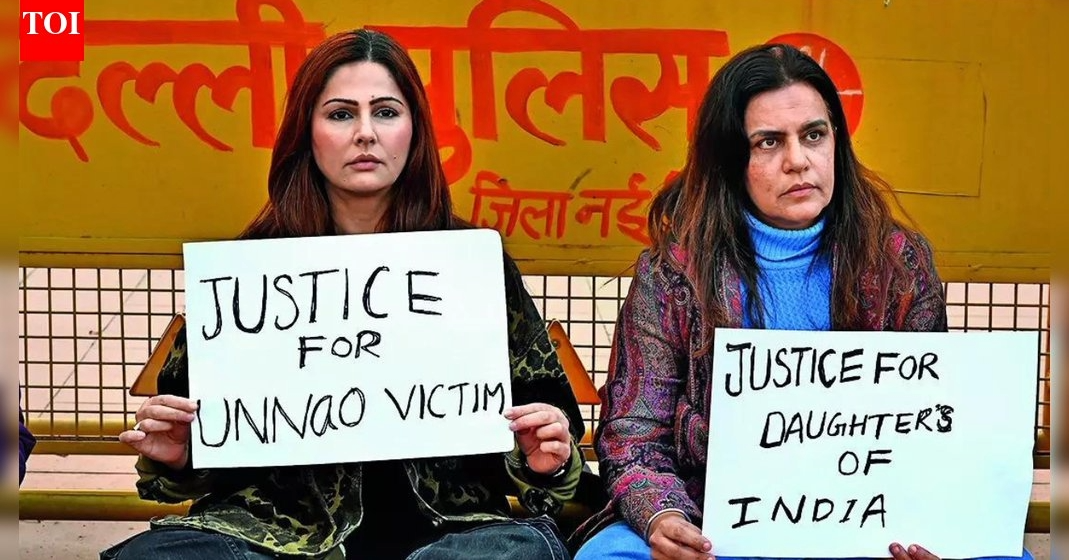
UNNAO RAPE CASE FULL STORY
The Unnao rape case is one of the most shocking criminal cases in India’s legal history. It exposed how political power, police machinery, and delayed justice can endanger the life and dignity of a survivor. The case involved Kuldeep Singh Sengar, a sitting MLA from Uttar Pradesh at the time of the incident.
Beyond the crime itself, the case raised a serious constitutional question:
Was justice ultimately fair and effective under Indian law?
Why the Unnao Rape Case Became a National Turning Point
This case was not just about rape. It highlighted:
- Abuse of political authority
- Failure of police to register FIR
- Custodial death of the victim’s father
- Witness intimidation
- Judicial delay and systemic collapse
It became a symbol of the struggle for women’s safety and rule of law in India.
Background: What Exactly Happened in the Unnao Rape Case?
In 2017, a minor girl from Unnao district, Uttar Pradesh, accused Kuldeep Singh Sengar, then a powerful MLA, of:
- Repeatedly raping her
- Threatening her family
- Using political influence to silence her
Despite approaching the police and authorities multiple times, no FIR was registered initially, showing clear administrative failure.
Desperate Cry for Justice: Attempted Self-Immolation
After months of inaction, the survivor attempted self-immolation outside the Chief Minister’s residence in Lucknow. This tragic act forced national attention on the case and compelled authorities to act.
Escalation of Abuse: Custodial Death & Witness Threats
After the complaint gained visibility:
- The survivor’s father was arrested on questionable charges
- He died in police custody under suspicious circumstances
- Family members and witnesses were threatened and attacked
These events converted the case into a grave constitutional and human rights issue.
Supreme Court Intervention: Restoring the Rule of Law
Due to public outrage and media scrutiny, the matter reached the Supreme Court of India, which took decisive steps:
- Transferred investigation to the Central Bureau of Investigation (CBI)
- Shifted trial from Uttar Pradesh to Delhi
- Ordered witness protection
- Monitored proceedings to ensure fairness
This intervention was crucial in neutralizing political influence.
Trial Outcome: Conviction of MLA Kuldeep Singh Sengar
After a detailed trial:
- Kuldeep Singh Sengar was convicted of rape
- Sentenced to life imprisonment
- Separately convicted for:
- Illegal detention of the survivor’s father
- Causing custodial death
- Criminal intimidation of witnesses
The court also directed financial compensation for the survivor.
Legal Analysis: Was the Judgment Fair According to Law?
✔️ 1. Due Process Was Followed
- Independent CBI investigation
- Fair trial
- Right to defense
- Judicial monitoring
Conviction was based on evidence and law, not public pressure.
✔️ 2. Punishment Was Proportionate
Life imprisonment was justified due to:
- Abuse of political power
- Repeated sexual assault
- Threats and obstruction of justice
The sentence complied with Section 376 IPC and constitutional principles.
✔️ 3. Survivor-Centric Justice
The judiciary ensured:
- Survivor anonymity
- Witness protection
- Compensation
- Speedy trial after intervention
This aligned with modern rape jurisprudence.
❌ 4. System Failed Before Judicial Intervention
Despite a fair verdict, serious failures remain:
- FIR delay
- Police bias
- Political interference
- Custodial death
Justice arrived late, raising concerns under Article 21 (Right to Life).
Constitutional Perspective
The Unnao rape case involved violations of:
- Article 14 — Equality before law
- Article 21 — Right to life and dignity
- Rule of Law — No one above the law
The Supreme Court’s intervention restored constitutional balance.
Impact on Indian Criminal Justice System
The case led to:
- Stronger focus on witness protection
- Faster handling of rape cases
- Greater scrutiny of crimes involving politicians
- Reinforced judicial independence
It now serves as a precedent for handling cases against powerful accused persons.
Roadmap for Preventing Similar Injustices
1️⃣ Police Accountability Without Political Pressure
2️⃣ Mandatory Witness Protection Laws
3️⃣ Time-Bound FIR Registration
4️⃣ Judicial Monitoring in Sensitive Cases
5️⃣ Survivor Support Mechanisms
Final Verdict: Was Justice Delivered?
✔ Legally — Yes.
The conviction of Kuldeep Singh Sengar was lawful, reasoned, and evidence-based.
❌ Systemically — No.
The suffering, delay, and custodial death expose deep institutional failure.
Justice prevailed because the judiciary intervened, not because the system functioned smoothly.
Conclusion: A Case That Redefined Accountability
The Unnao rape case sends a powerful message:
Political power cannot override constitutional justice.
While the final judgment upheld the rule of law, it also stands as a warning that justice must reach survivors before tragedy forces intervention.

Ritika sood
Related Posts
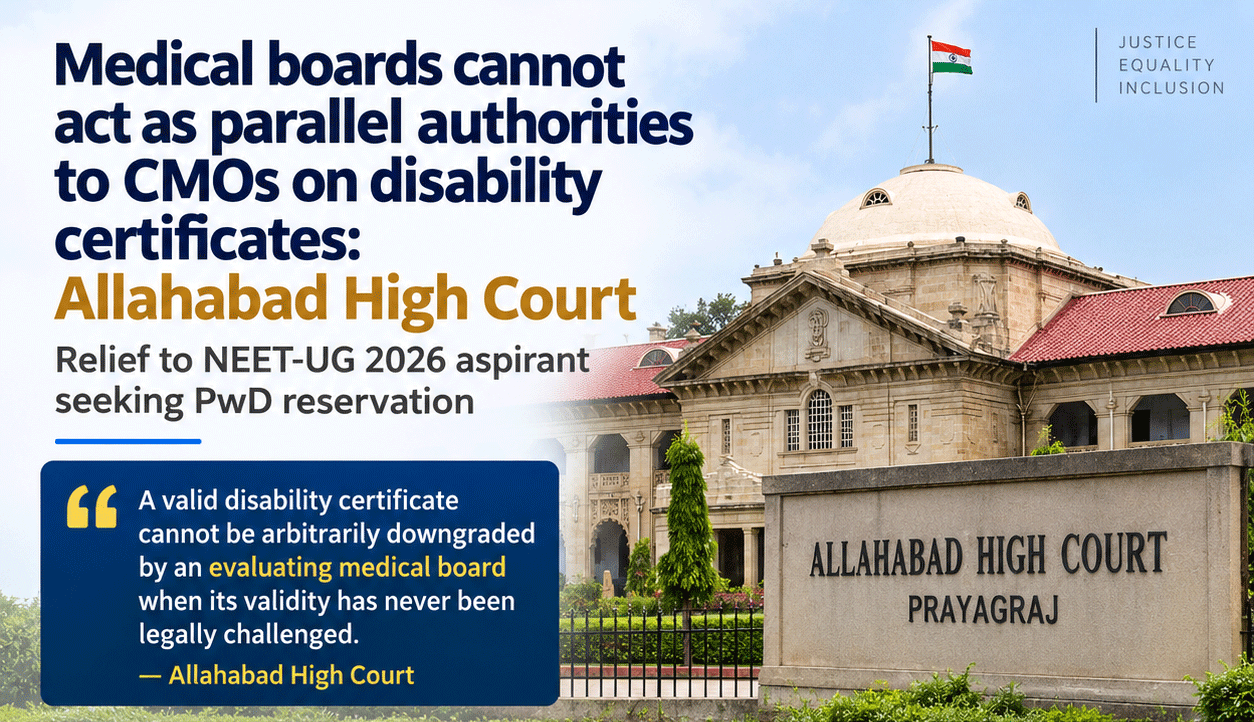
Medical boards cannot act as parallel authorities to CMOs on disability certificates: Allahabad High Court
3 min read
UP RO/ARO Recruitment 2023: Resolving the Legal Quagmire Over Women’s Horizontal Reservation
2 min read
Service Matters of Unaided Private Educational Institutions: Amenability to Judicial Review under Article 226 of the Constitution
8 min readComments
No comments yet.