Supreme Court Judgments on LGBTQ+

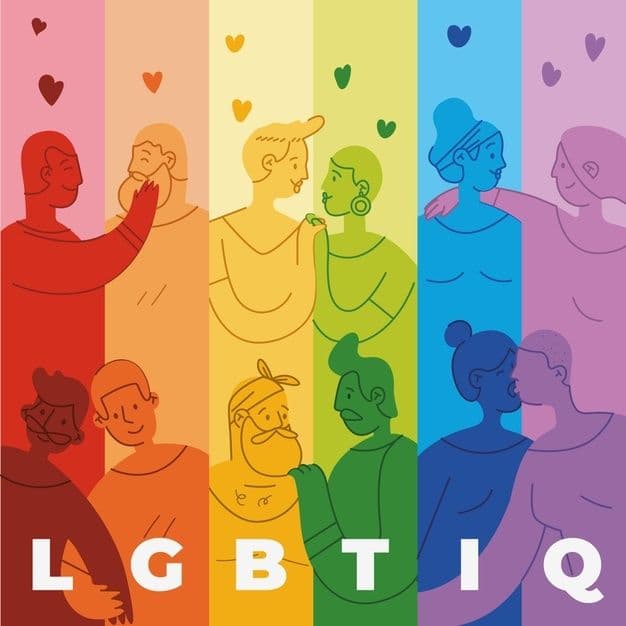
A Transformative Constitutional Journey
1️⃣ Justice K.S. Puttaswamy v. Union of India (2017) — Privacy as a Fundamental Right
Although not exclusively an LGBTQ+ case, this judgment laid the foundation for LGBTQ+ rights.
Key highlights:
- Privacy is a fundamental right under Article 21.
- Sexual orientation is an intrinsic part of personal autonomy.
- The Court held that constitutional morality must prevail over societal morality.
This judgment created the constitutional ground for striking down Section 377.
2️⃣ Navtej Singh Johar v. Union of India (2018) — End of Section 377
This historic ruling marked a turning point in Indian legal history.
What the Court Declared
Section 377, which criminalized consensual same-sex relations, violated:
- Article 14 — Equality
- Article 15 — Non-discrimination
- Article 19 — Freedom of expression
- Article 21 — Dignity and personal liberty
Why It Matters
- LGBTQ+ identities became lawful and constitutionally protected.
- It acknowledged historical oppression of sexual minorities.
- The judgment reinstated dignity, identity, and freedom.
3️⃣ NALSA v. Union of India (2014) — Recognition of Transgender Persons
One of the most progressive global decisions on gender identity.
The Supreme Court held:
- Transgender persons have the right to self-identify their gender.
- Legal recognition of the third gender is mandatory.
- Transgender persons deserve reservation and state protection.
This judgment remains the foundation of transgender rights in India.
4️⃣ Marriage Equality Hearing (2023) — Civil Rights Debate
Although same-sex marriage wasn’t legalized, the Supreme Court delivered impactful observations.
Important takeaways:
- Recognized discrimination faced by queer couples.
- Highlighted the need for civil protections such as:
- Hospital consent
- Health insurance
- Property and inheritance rights
- Visitation rights
The matter was referred to a High-Powered Committee for policy development.
⚖️ Constitutional Principles Underlying LGBTQ+ Rights
These judgments collectively reinforce four core constitutional doctrines:
📌 1. Constitutional Morality
Rights cannot depend on societal approval. The Constitution protects minorities.
📌 2. Equality and Non-Discrimination
Articles 14, 15, and 16 prohibit discrimination on sex — which includes sexual orientation and gender identity.
📌 3. Dignity and Autonomy
Article 21 protects the right to live with dignity, choose one’s partner, and express one's identity.
📌 4. Freedom of Expression
Article 19 extends to expressing gender identity, clothing, and relationships.
🌈 Current Challenges for LGBTQ+ Rights in India
Despite progress, several gaps remain:
❌ 1. No Legal Marriage Recognition
Same-sex couples still cannot legally marry or register civil unions.
❌ 2. Lack of Civil and Economic Rights
There is no clear legal framework for:
- Adoption
- Pension rights
- Next-of-kin recognition
- Joint property
- Tax benefits
❌ 3. Social Discrimination
Legal change has not automatically translated into social acceptance.
❌ 4. Implementation Gaps
The transgender community faces obstacles in accessing rights recognized under NALSA and the 2019 Transgender Persons Act.
🔮 What the Future Might Hold
Legal scholars expect the next phase of litigation and policymaking to focus on:
- Civil unions or partnership laws
- Anti-discrimination legislation covering private workplaces
- Strengthening transgender rights through better enforcement
- Recognition of same-sex couples in medical, financial, and property-related laws
- Judicial intervention if the legislature delays action
The Court has made it clear: LGBTQ+ people are equal citizens deserving full protection.
🌟 Conclusion: Toward an Inclusive Indian Future
India’s constitutional journey toward LGBTQ+ equality is one of the most inspiring rights-based transformations in the world. From criminalization to constitutional dignity, the Supreme Court has reaffirmed:
Every individual — regardless of gender identity or sexual orientation — has the right to live with equality, dignity, and freedom.
The struggle continues, but the path is clear:
LGBTQ+ rights are human rights, and India is moving steadily toward full inclusion.

Ritika sood
Comments
No comments yet.