Umar Khalid Case Judgment

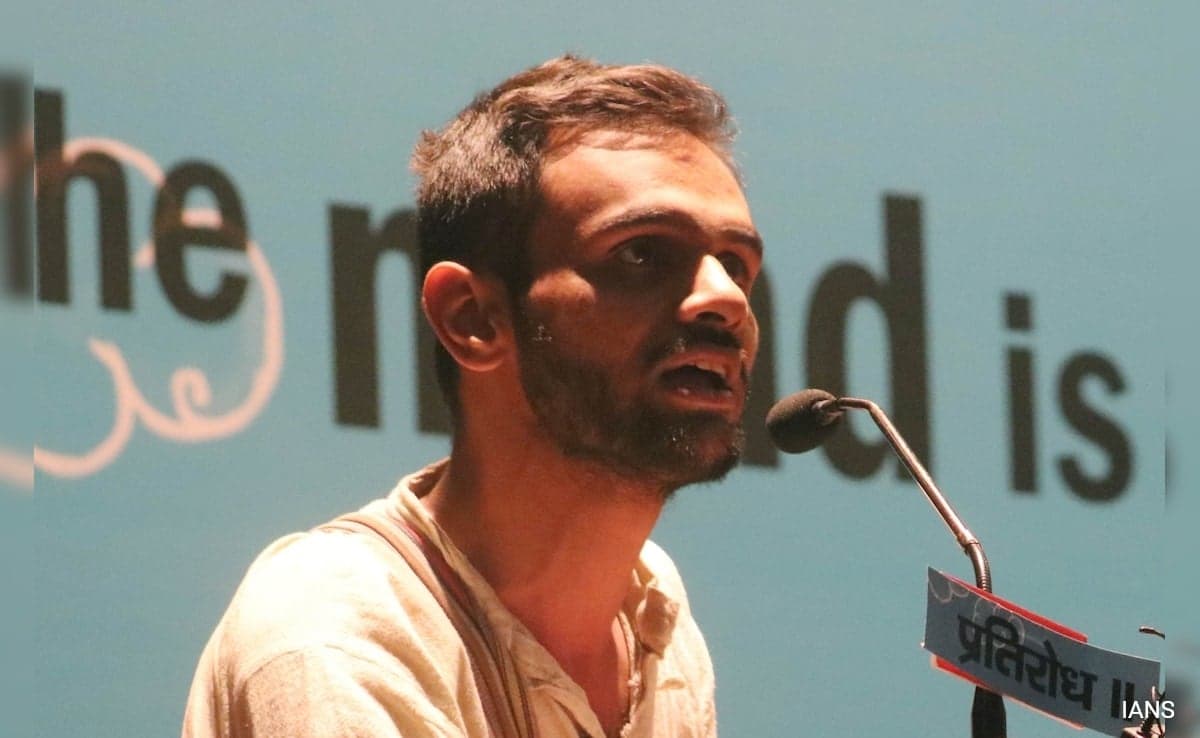
A Complete Legal & Constitutional Analysis (2025)
The Umar Khalid case has become one of the most debated legal battles in recent Indian history, raising questions about free speech, anti-terror laws, bail standards, and the boundaries of dissent. The 2025 judgment on his bail plea has once again brought the UAPA (Unlawful Activities Prevention Act) into national discussion, forcing students, lawyers, and policymakers to re-examine the relationship between State power and civil liberties.
This article provides a clear, neutral, and legally precise analysis of the case, the judicial reasoning, and what it means for India’s criminal jurisprudence.
1. Background: Who Is Umar Khalid and What Is the Case About?
Umar Khalid, a former JNU researcher and activist, was arrested in September 2020 for his alleged role in the Delhi Riots Conspiracy Case.
He was charged under:
- UAPA (Sections 13, 16, 17, 18)
- IPC (various sections including 120B, 302, 153A)
- Arms Act
According to the Delhi Police:
- The protests against the CAA–NRC were allegedly used as a “pre-planned conspiracy.”
- Whatsapp groups, protest sites, speeches, and communications indicated a larger “plot” to instigate communal violence.
Umar Khalid denied all allegations, stating:
- He never incited violence
- His speeches were lawful dissent
- He was targeted for ideological reasons
The case became a flashpoint in public discourse on how anti-terror laws are used in protest-related cases.
2. The Legal Issue: Why Is the Case Controversial?
2.1 The UAPA Bail Threshold Is Extremely High
Under UAPA, Section 43D(5) states:
Courts cannot grant bail if the accusations appear “prima facie true.”
This creates a reverse burden — the prosecution does not have to prove guilt; the accused must prove innocence at the bail stage.
2.2 Use of Dissent as Conspiracy Evidence
The prosecution relied on:
- Whatsapp chats
- Protest slogans
- Speeches
- Association with other protestors
Courts had to decide:
Does planning a protest = planning a riot?
2.3 Free Speech vs Public Order
The case touches the heart of Article 19:
- Right to protest
- Right to political speech
- Reasonable restrictions
2.4 Bail vs Trial Justice
The trial has not concluded even after years.
Thus, the case tests:
Can pre-trial jail become punishment?
3. The Court’s Key Observations (2025 Judgment)
3.1 Bail Denied — But with Nuanced Reasoning
The Court held that, at the bail stage, it cannot conduct a “mini-trial.”
The evidence must be viewed only to check “prima facie” involvement.
Thus, the Court concluded:
There exists prima facie material connecting Umar Khalid to the alleged conspiracy.
3.2 Analysis of Speeches and Communications
The Court examined:
- The Amravati speech
- Whatsapp groups
- Protest planning meetings
The Court held that:
Even if a speech does not explicitly incite violence, the context, timing, and coordination may indicate involvement in a larger conspiracy.
This interpretation is controversial.
3.3 UAPA’s Stringent Bail Standard Upheld
The Court reiterated that:
- UAPA allows preventive detention-like standards
- Normal bail principles under CrPC do not apply
- Courts must defer to the prosecution’s narrative at the bail stage
3.4 Delay in Trial Cannot Automatically Lead to Bail
The defence argued:
- Umar has been in jail for years
- Trial will take many more years
But the Court held:
Delay is relevant, but not conclusive under UAPA.
3.5 Courts Will Not Examine Motive Behind Protest Movements
The Court declined to evaluate:
- The nature of the CAA–NRC protests
- Political motivations
- Ideological affiliations
Such factors, it held, must be tested during the trial.
4. Criticism and Public Debate: What Are the Concerns?
The judgment has sparked nationwide debate on key legal issues.
4.1 Does UAPA Dilute the Right to Liberty?
Legal scholars argue that UAPA:
- Limits judicial discretion
- Allows long-term incarceration without trial
- Weakens the presumption of innocence
4.2 Does the Judgment Expand “Conspiracy” Too Broadly?
Concerns include:
- Protest coordination treated as criminal conspiracy
- Dissent conflated with disruption
- Speech examined through political context instead of content
4.3 Impact on Democratic Protest Rights
Law students and activists fear:
- Peaceful protest organizers may face serious charges
- Speech may be interpreted subjectively
- Surveillance of political groups may expand
4.4 Bail Becoming Impossible Under UAPA
The case reflects a broader pattern:
Under UAPA, bail has become exceptionally rare, regardless of proof.
5. Legal Roadmap: What Happens Next?
5.1 The Trial Will Determine Actual Guilt or Innocence
The bail decision does not decide guilt.
The real test lies in:
- Cross-examinations
- Forensic analysis
- Witness credibility
5.2 Possible Challenges Before a Larger Bench
The defence may challenge:
- Interpretation of “prima facie”
- Constitutional validity of UAPA bail standards
5.3 Bigger Need: Reform of UAPA Bail Law
Policy experts argue for:
- Presumption of liberty
- Judicial scrutiny
- Time-bound trials
6. What the Case Means for Law Students & Policymakers
6.1 Understanding UAPA Is Essential for Modern Criminal Law
This case shows how:
- Anti-terror laws reshape civil liberties
- Bail jurisprudence evolves
- Courts balance security with freedom
6.2 Importance of Contextual Free Speech Analysis
Courts must evaluate:
- The content of speech
- Its actual impact
- Intent vs interpretation
6.3 The Case Will Become a Leading Precedent
Future cases involving:
- Protests
- Political speech
- Online communication
will cite this judgment.
7. Conclusion: A Turning Point in India’s Civil Liberties Jurisprudence
The Umar Khalid judgment is not merely a bail order — it is a constitutional moment.
It forces India to confront:
- How dissent is understood
- How anti-terror laws are applied
- How long pre-trial detention can continue
- How courts protect liberty under restrictive statutes
While the Court upheld UAPA’s strict standards, the judgment has intensified the debate over:
Where should India draw the line between national security and democratic freedoms?
As the trial continues, the case will remain a crucial lens through which India examines the future of protest rights, criminal justice, and constitutional democracy.

Ritika sood
Comments
No comments yet.